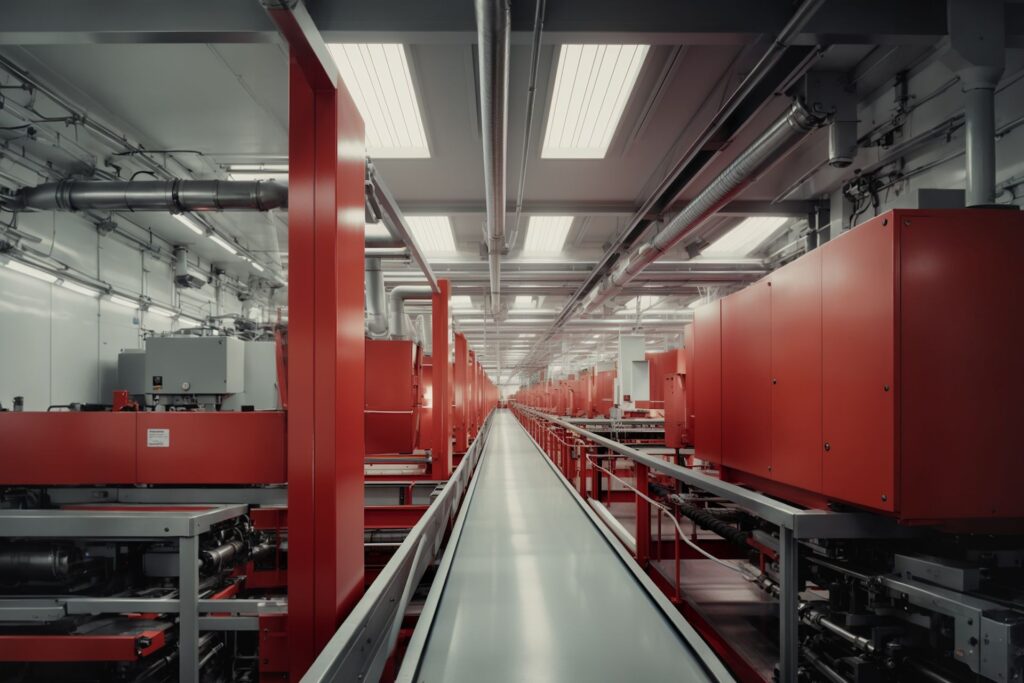
In the ever-evolving landscape of manufacturing, the efficiency and effectiveness of production processes are crucial for maintaining a competitive edge. Central to this evolution are assembly machines, which serve as the backbone of modern production lines. These advanced machines are designed to streamline operations, reduce labor costs, and enhance product quality, making them indispensable in various industries.
As manufacturers embrace technological advancements, the role of assembly machines has transformed dramatically. New innovations, including automation and artificial intelligence, are enhancing the capabilities of these machines, allowing for faster and more precise assembly operations. Understanding the features and benefits of modern assembly machines is essential for businesses looking to optimize their manufacturing processes. In this blog post, we will explore the significance of assembly machines in today’s market, delve into recent technological advancements, and provide insights on how to select and implement the right assembly solutions for your manufacturing needs. By adapting to these changes, companies can position themselves for success in an increasingly competitive environment.
In the landscape of modern manufacturing, assembly machines play a crucial role in enhancing productivity and efficiency. These complex systems simplify the process of assembling components, which traditionally required extensive labor and time. By integrating advanced technologies, assembly machines enable manufacturers to streamline operations and reduce production costs.
With the increasing demand for higher precision and speed, assembly machines have evolved significantly. They now utilize automation and robotics to carry out tasks that were once performed manually. This evolution not only improves accuracy but also minimizes the risk of human error, leading to higher-quality products.
Assembly machines can be tailored to meet the specific needs of various industries. Whether in automotive, electronics, or consumer goods, these machines offer versatility that allows manufacturers to adapt quickly to changing market demands. Flexible assembly lines equipped with modular machines can be reconfigured easily, enabling manufacturers to optimize their processes.
The integration of smart technology into assembly machines has revolutionized how manufacturers operate. Machine learning and artificial intelligence allow for real-time monitoring and predictive maintenance, which can vastly decrease downtime. As a result, companies can maintain consistent productivity levels and respond to issues promptly.
The benefits of assembly machines extend beyond just efficiency and cost reduction. They also contribute to improved workplace conditions by taking over repetitive and strenuous tasks from human workers. This shift allows employees to focus on more complex and value-added activities, fostering a more engaged and skilled workforce.
As manufacturers look to compete in an increasingly globalized market, the role of assembly machines becomes even more critical. By leveraging these advanced systems, companies can achieve higher production rates without compromising on quality. The ongoing advancements in assembly machine technology promise even greater capabilities in the future, setting the stage for new possibilities in manufacturing.
The Benefits of Automation in Assembly Processes
Automation in assembly processes has revolutionized the manufacturing landscape by enhancing efficiency and precision. Traditional manufacturing methods often involve manual labor, which can lead to inconsistencies and errors. With automated assembly machines, tasks that require repetitive motion can be performed with a high degree of accuracy, minimizing human errors and improving overall product quality. This shift not only increases reliability but also reduces production delays caused by manual oversight.
Cost-effectiveness is another significant advantage of automation. Although the initial investment in advanced assembly machines might be substantial, the long-term savings can be considerable. Automated systems can operate continuously without the need for breaks, resulting in higher output levels and significantly lower labor costs over time. Manufacturers can allocate resources more effectively, focusing on areas that require human ingenuity and oversight.
Automation enhances workplace safety. Assembly lines can be hazardous environments, with workers exposed to heavy machinery and repetitive tasks that may lead to injuries. By integrating assembly machines, companies can minimize these risks. Automated systems handle dangerous tasks, allowing human workers to engage in safer, more strategic roles within the manufacturing process.
Flexibility in production is another compelling benefit of automated assembly processes. Modern assembly machines can be easily reprogrammed and adjusted to accommodate different products or designs. This adaptability enables manufacturers to respond quickly to market demands without significant downtime or overhauls of existing equipment. As a result, organizations can quickly innovate and update their offerings to align with changing consumer preferences.
Data collection and analysis have been greatly enhanced through automation. Advanced assembly machines come equipped with sensors and software that provide real-time data on production performance. This information allows manufacturers to identify bottlenecks, optimize workflows, and make informed decisions about process improvements. The ability to analyze data not only drives efficiency but also fosters a culture of continuous improvement within organizations.
Key Innovations Driving Assembly Machine Technology Forward
Recent advancements in assembly machine technologies are transforming the manufacturing landscape. Automation plays a pivotal role in this evolution, enabling machines to perform tasks with increased precision and speed. Machine learning and artificial intelligence are becoming integral, allowing for real-time adjustments and predictive maintenance. These innovations enhance productivity and minimize downtime significantly.
Another crucial development is the incorporation of collaborative robots, or cobots. These machines are designed to work alongside human operators, enhancing safety and efficiency. Cobots can assist in repetitive tasks while allowing workers to focus on higher-level decision-making. This blend of human and machine capabilities fosters a more flexible and dynamic production environment.
Advancements in sensor technology have also contributed to the efficiency of assembly machines. Sensors provide real-time data, enabling better monitoring of the assembly line. This data-driven approach helps in identifying bottlenecks and implementing solutions promptly. Consequently, manufacturers can achieve streamlined operations and higher product quality.
3D printing technology is making significant strides as well. By enabling on-demand manufacturing of complex parts, it reduces lead times significantly. Assembly machines can now integrate 3D printed components seamlessly into the production line, resulting in reduced waste and increased customization options. This innovation supports both efficiency and adaptability in manufacturing processes.
The Internet of Things (IoT) is revolutionizing how assembly machines communicate and synchronize. IoT-connected devices collect and share data across the entire production system. This connectivity allows for better resource management and enhances decision-making capabilities. By leveraging IoT, manufacturers can achieve unprecedented levels of operational insight.
Advancements in software solutions are streamlining the programming and monitoring of assembly machines. User-friendly interfaces allow operators to configure and manage machines with ease. This simplification encourages more widespread adoption of advanced systems across various industries. As these software innovations continue to evolve, the potential for further efficiency gains grows exponentially.
Choosing the Right Assembly Machine for Your Manufacturing Needs
Identifying the appropriate assembly machine for your manufacturing operations is crucial. Various factors influence this decision, including the type of product being assembled, production volume, and space constraints. Understanding these specifics will help narrow down the options available.
Begin by assessing the products that require assembly. Different assembly machines are designed for various applications, from simple parts to complex assemblies. This ensures compatibility with specific components or products, making this assessment vital for operational efficiency.
Production volume significantly impacts the choice of an assembly machine. High-volume manufacturers may benefit from fully automated systems that can operate continuously, while lower volume operations may find semi-automated or manual machines more suitable. Choosing according to production capacity ensures that the machine can handle the workload effectively.
Space limitations should also be taken into consideration. Some assembly machines require substantial floor space, while others are more compact and can fit into smaller areas. Evaluate the layout of your manufacturing facility to determine what type of assembly machine can be accommodated without compromising workflow.
The level of automation is another critical factor to consider. Fully automated assembly machines often come with advanced technology, but they also require more significant investments and maintenance. Understanding the trade-offs between automation levels will guide you toward the most efficient solution for your manufacturing needs.
Collaboration with suppliers is essential when choosing the right assembly machine. Engaging with manufacturers who specialize in assembly technology can provide insights into the latest trends and innovations. Building a relationship with these suppliers will also facilitate obtaining technical support when needed.
Consider the scalability of the assembly machine. As market demands evolve, manufacturing needs may change, requiring adaptability from the machinery in use. Opting for a versatile assembly machine can minimize future adjustments and additional investments.
Overcoming Challenges in Implementing Advanced Assembly Machines
Integrating advanced assembly machines into a manufacturing setup often presents numerous challenges. One significant issue is the high initial investment required for purchasing and installing these machines. Manufacturers may hesitate to allocate substantial funds without guaranteed immediate returns, creating a barrier to adoption.
Training employees to operate advanced assembly machines is another hurdle that companies must address. The complexity of these machines demands specialized skills, necessitating comprehensive training programs. Without adequate training, employees may struggle to fully utilize the machine’s capabilities, leading to inefficiencies.
Technical compatibility with existing manufacturing systems can also pose challenges. New assembly machines may require updates to software, hardware, or workflows to seamlessly integrate into the production line. Assessing the current system’s compatibility with advanced machinery is critical for ensuring a smooth implementation process.
Resistance to change within the workforce can hinder the adoption of advanced assembly machines. Employees may feel apprehensive about new technologies, fearing job displacement or increased workload. It is essential for management to foster a culture of innovation and reassure workers about the benefits of automation.
Ongoing maintenance and support are crucial aspects that must be factored into any implementation strategy. Advanced assembly machines require regular maintenance to function optimally and reduce downtime. Companies must have a plan for technical support and servicing to address any unforeseen issues promptly.
Data security concerns may arise when implementing advanced assembly machines that utilize connected technologies. Manufacturers should ensure that robust cybersecurity measures are in place to protect sensitive information. This includes regular updates and monitoring for potential vulnerabilities within the system.
Aligning the capabilities of assembly machines with production goals is vital. Clearly defining the specific objectives and expected outcomes of the new machinery helps in choosing the right equipment. Without a strategic approach, there is a risk of investing in machines that do not effectively meet the manufacturing needs.
Future Trends: The Evolution of Assembly Machines in Industry 4.0
The landscape of manufacturing is rapidly changing with the advent of Industry 4.0, a trend that heavily influences the evolution of assembly machines. These machines are becoming increasingly interconnected and intelligent, paving the way for smarter production environments. Data analytics and IoT technology allow assembly machines to gather real-time data, making processes more efficient and responsive to market demands.
Customization has become a significant factor driving the design of future assembly machines. As consumer preferences shift towards personalized products, manufacturers are looking for adaptable machines that can handle varying specifications without extensive reconfiguration. This flexibility not only enhances efficiency but also significantly reduces downtime and operational costs.
Artificial intelligence plays a critical role in the future of assembly machines. Machine learning algorithms can analyze data collected during production, providing insights that help optimize operations. Predictive maintenance is becoming more prevalent, reducing the risk of costly breakdowns and ensuring smoother workflows.
Collaboration between humans and machines is another trend shaping assembly processes. Advanced robotics and automation are designed to complement human skills rather than replace them. Human operators can work alongside these machines, making complex decisions and adjustments that further enhance productivity.
Sustainability is at the forefront of industry innovation. Modern assembly machines are being designed with efficiency and waste reduction in mind, contributing to greener manufacturing practices. Energy-efficient technologies are being integrated, allowing manufacturers to minimize their environmental footprint while still delivering high-quality products.
The integration of virtual and augmented reality is transforming how assembly machines are operated and maintained. Training can be conducted using immersive simulations, allowing workers to familiarize themselves with equipment without the risks associated with live operations. This not only speeds up the learning process but also enhances safety on the factory floor.
As the future unfolds, assembly machines will continue to evolve and adapt within the broader context of Industry 4.0. By embracing these advancements, manufacturers can remain competitive in a fast-paced market and meet the changing demands of consumers. The integration of technology into assembly processes is not just a passing trend; it is set to redefine the manufacturing landscape for years to come.
Conclusion
In the landscape of modern manufacturing, assembly machines play a pivotal role in enhancing productivity and efficiency. Their significance has only grown with the advent of advanced technologies. Companies that have embraced these innovations are witnessing transformative changes in their processes and overall output.
The future of assembly machines looks promising, particularly as Industry 4.0 continues to unfold. The integration of smart technologies, data analytics, and automation will further streamline workflows and drive down production costs. As manufacturers invest in these cutting-edge solutions, they position themselves to meet the challenges of an ever-evolving market.
Ultimately, the success of any manufacturing operation will hinge on its ability to adapt and optimize its use of assembly machines. By understanding the benefits and trends, businesses can make informed decisions to remain competitive. Investing in the right assembly machines now will yield substantial returns in flexibility, efficiency, and growth.