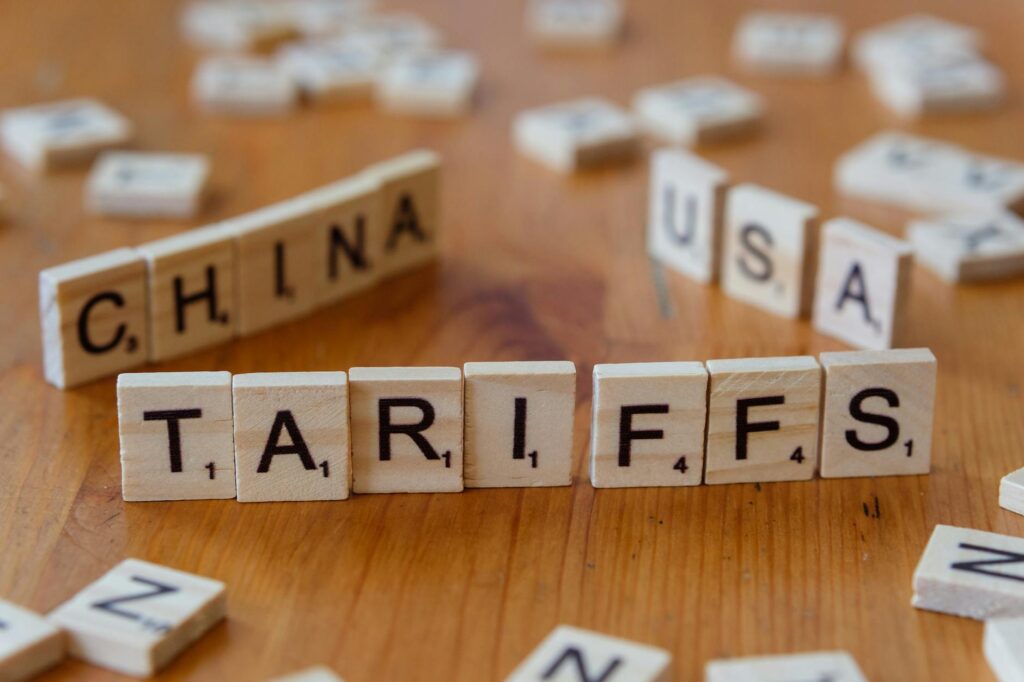
Beijing, Feb 27, 2026 – Nearly one year after the Chinese government introduced enhanced export restrictions on rare-earth elements, domestic exporters are increasingly seeking clarity from the Ministry of Commerce regarding compliance and licensing. The heightened scrutiny comes as both China and the United States prepare for a crucial meeting between President Donald Trump and Chinese President Xi Jinping, scheduled for March 31 to April 2 in Beijing.
The Surge in Compliance Queries
With the introduction of difficult-to-navigate regulations, inquiries directed toward China's commerce ministry have skyrocketed. Recent statistics reveal a sharp increase from just 43 questions regarding export control compliance between 2019 and early 2025, to a staggering 135 inquiries logged in 2025 alone. Entrepreneurs are scrambling for guidance on whether their products, from common items like pill boxes to essential components in advanced technologies, fall under the new regulations.
"Exporters are questioning everything—whether their products require licenses and what exactly qualifies as controlled technology," one industry source remarked. “The ambiguity creates a major operational headache for many manufacturers.”
Beijing's Expanded Enforcement Mechanism
In response to the growing uncertainty, the Chinese government is intensifying its enforcement capabilities by expanding manpower across its regulatory bodies. New recruitment drives have reportedly introduced over 45 positions dedicated to export controls within the Ministry of Commerce this year alone. This is a significant increase compared to previous years, highlighting the regime's commitment to reinforcing compliance across the board.
“The construction of a nuanced export-control apparatus signals an evolution of China's strategy to use its vast supply chains as leverage in international relations,” explains Alfredo Montufar-Helu, managing director at Ankura Consulting, based in Beijing.
To aid exporters in navigating the complexities of these rules, Chinese provincial and municipal governments have been hosting seminars and policy briefings in an effort to clarify the new compliance standards.
Rising Tensions Between the U.S. and China
As China enhances its export controls, Washington appears to be softening its stance on specific technology exports. In a notable shift since Trump’s return to office, the U.S. government recently eased restrictions on certain advanced AI chip exports headed to China. This decision has sparked mixed reactions among lawmakers and industry leaders alike.
Critics argue that this move might inadvertently strengthen China’s position in the high-tech sector, whereas proponents assert it is essential to allow American companies to stay competitive globally. In prior instances, the Entity List—which compiles foreign firms requiring export licenses for U.S. technologies—saw a surge of additions. However, that pace has slackened considerably, dropping to 131 additions in 2025 from 257 in 2024.
Economic Warfare or Strategic Compliance?
Analysts warn that the competition between the two largest economies is straying into territory that can be characterized as economic warfare. As President Trump gears up for high-stakes talks with Xi, both sides prepare to address the challenges posed by bilateral trade restrictions, which have far-reaching implications for industries including technology, energy, and defense.
China’s strategic advantage in the rare-earth market has not gone unnoticed, as it controls a majority of global refining capacity, pivotal for producing materials in electric vehicles, wind turbines, and other critical technologies.
"China's approach reflects an understanding of leverage drawn from Western tactics, particularly those employed by the U.S.," notes Li Xing, a professor at the Guangdong Institute for International Strategies.
Looking Forward
As the scheduled meeting in Beijing draws closer, all eyes will be on how both leaders navigate the critical topics of trade and technology restrictions. Business leaders are waiting anxiously to hear whether these discussions will ease uncertainties or introduce new hurdles in export compliance amidst an already volatile global market.
Those involved in industries reliant on cross-border supply chains are hoping for a constructive resolution, as the balance of power and trading flexibility remains precariously poised between these two economic giants.
For ongoing updates on international trade relations and technology regulations, you can sign up for the Reuters Inside Track newsletter here.
Reporting by Eduardo Baptista – Senior Correspondent for Reuters

