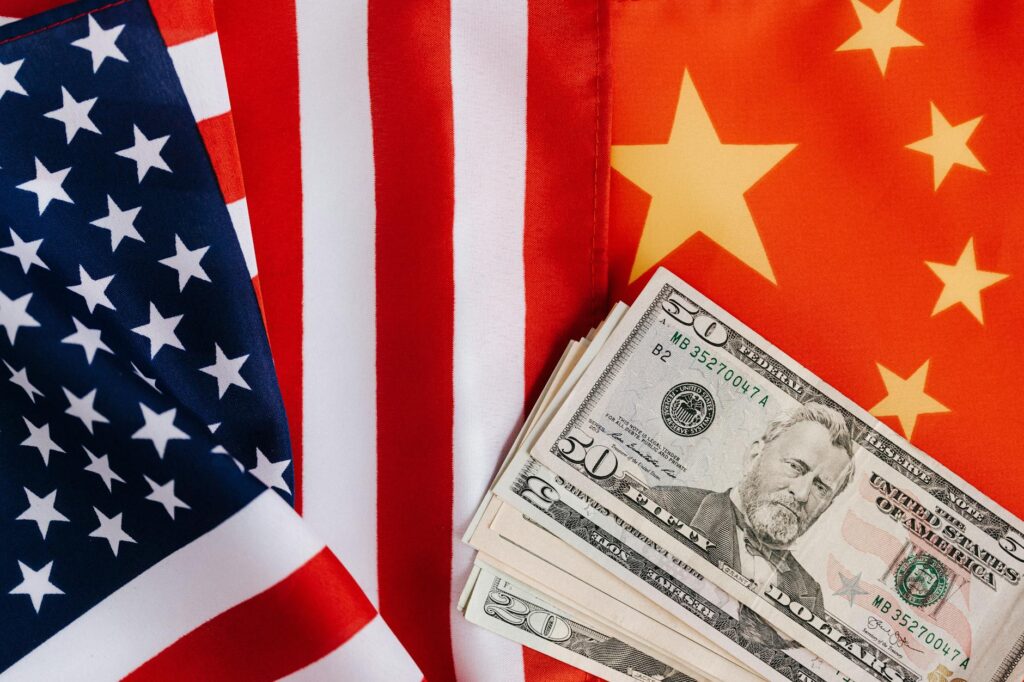
Washington, D.C. — In a significant policy move, U.S. President Donald Trump announced on December 8 that the United States will permit the export of Nvidia's H200 artificial intelligence chips to China with a 25% sales fee applied on such transactions. This decision marks a crucial shift in the ongoing debate about the balance between economic competition and national security risks associated with advanced technology exports.
The Decision's Context and Implications
The H200 processors, recognized as Nvidia's second-best AI chips, have been at the center of U.S. concerns regarding their potential use in strengthening China's military capabilities. President Trump declared that he had communicated his decision to Chinese President Xi Jinping, who allegedly responded positively to the move. This could indicate an easing of tensions between the two countries, though the actual impact on sales remains ambiguous.
The decision comes amid increasing scrutiny from the U.S. government on exports that may enhance Chinese military prowess. The Biden administration had previously restricted such sales due to fears that advanced technology might bolster Beijing's military ambitions. Trump's latest announcement seems to be an attempt to strike a balance between enabling U.S. chip manufacturers to maintain their competitive edge while attempting to secure national interests.
Market Reactions and Trump's Justification
Following Trump's announcement, Nvidia’s stock saw a modest rise of 2% in after-hours trading, reflecting investor optimism regarding the renewed market access. The president underscored in a post on Truth Social that the export arrangement would not include Nvidia's latest Blackwell chips, which he described as even more advanced.
In his statement, Trump emphasized the need to protect national security while simultaneously fostering American jobs in the tech sector. "We will protect National Security, create American Jobs, and keep America’s lead in AI," he wrote. This assertion embodies the administration's dual focus on nurturing domestic industry while managing geopolitical tensions.
The Role of Other Tech Giants
In addition to Nvidia, Trump mentioned that this favorable policy would extend to other tech companies like Advanced Micro Devices (AMD) and Intel, both of which have their stake in the AI chip market. However, as of now, neither company has commented on the administration’s new guidelines.
A White House official clarified that the 25% fee imposed would function as an import tax from Taiwan, where the chips are produced. Before their shipment to China, these chips will undergo security reviews to ensure compliance with U.S. regulations.
Concerns Over Military Utilization
As Trump’s announcement unfolds, it has ignited debate among national security experts and lawmakers. A segment of Washington's political landscape, often labeled as "China hawks," view the export of advanced AI chips to China as a potential mistake that could inadvertently empower the Chinese military. Critics argue that such sales could expedite military modernization within China, posing long-term risks to U.S. national security.
Eric Hirschhorn, a former senior official in the U.S. Commerce Department, warned against prioritizing trade advantages at the cost of national security. Conversely, NVIDIA issued a statement supporting the decision, highlighting the approval for exports to vetted commercial customers as a balanced approach.
China’s Position and Future Implications
China's reaction to this blossomed decision has been cautiously optimistic. The Chinese Foreign Ministry stated that China favors cooperation with the U.S. for mutual benefit. Industry analysts suggest that Trump’s comments might prompt more favorable coverage in Chinese state media regarding Nvidia's chips, reflecting a potential thawing in U.S.-China relations.
Long-term conditions count: experts caution, despite any immediate benefits from this arrangement, China’s ambitions to enhance its homegrown chip manufacturing capabilities are unwavering. Future technological advancements might still lead to intensified competition in this crucial sector.
As geopolitical dynamics continue to evolve, the ramifications of this export arrangement will likely reverberate through both the technical and military landscapes of the U.S.-China relationship. The forthcoming months will reveal whether sales significantly increase and how international responses might further shape the technology industry's future.
For ongoing updates and detailed analyses, stay connected with us at Our News Portal.