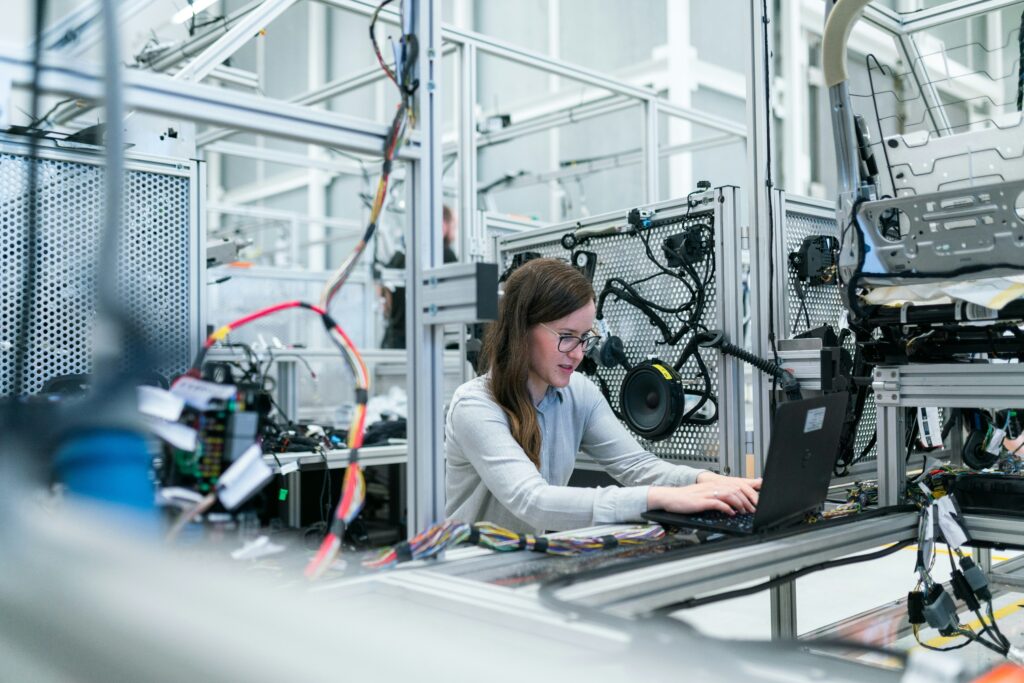
The logistics industry is undergoing a seismic shift, with Autonomous Mobile Robots (AMR robots) leading the charge. These advanced machines are not just tools; they are redefining how goods are stored, moved, and delivered, paving the way for a future that is faster, more efficient, and increasingly automated. As businesses seek to streamline operations and enhance productivity, the adoption of AMR robots is on the rise, promising to revolutionize logistics as we know it.
Understanding AMR Robots
AMR robots are sophisticated mobile devices equipped with sensors, cameras, and artificial intelligence that allow them to navigate through complex environments without human intervention. Unlike traditional Automated Guided Vehicles (AGVs), which follow fixed paths, AMR robots can dynamically map routes and adapt to changes in their surroundings. This capability makes them ideal for various logistics applications, from warehouse operations to last-mile delivery.
Key Features of AMR Robots
-
Navigation and Mapping: AMR robots employ advanced technologies such as LiDAR, computer vision, and simultaneous localization and mapping (SLAM) to navigate through spaces. This enables them to avoid obstacles, find optimal paths, and operate effectively in unpredictable environments.
-
Autonomous Operation: Unlike their AGV counterparts, AMR robots can operate independently, requiring minimal human oversight. This autonomy allows for 24/7 operation, significantly increasing productivity and efficiency.
-
Scalability and Flexibility: AMR robots can easily scale operations based on demand. Companies can deploy additional robots during peak periods without extensive infrastructure changes, allowing for greater flexibility in logistics management.
The Impact of AMR Robots on Logistics
Enhanced Efficiency
One of the most significant advantages of AMR robots is their ability to enhance operational efficiency. By automating routine tasks such as inventory management and order picking, these robots reduce the time taken to fulfill orders. For instance, a study by logistics technology firm MHI reported that companies implementing AMR robots saw a 20-30% increase in productivity.
Cost Reduction
While the initial investment in AMR technology can be substantial, the long-term savings are considerable. Reduced labor costs, fewer errors, and minimized downtime contribute to overall cost efficiency. According to a report from ResearchAndMarkets, the global AMR market is projected to grow significantly, underscoring the financial benefits that companies are recognizing.
Improved Safety
AMR robots enhance workplace safety by taking over dangerous or repetitive tasks that could lead to injuries. By reducing human involvement in high-risk areas, companies can create safer work environments. The Occupational Safety and Health Administration (OSHA) highlights that automation can help mitigate workplace accidents, making AMR robots an attractive option for logistics providers.
Better Inventory Management
With their ability to navigate and operate autonomously, AMR robots can improve inventory accuracy and management. They can perform real-time stock checks, reduce shrinkage, and ensure that shelves are stocked efficiently. This level of precision leads to fewer stockouts and overstock situations, optimizing inventory turnover and enhancing customer satisfaction.
Case Studies: AMR Robots in Action
Several industry leaders have already embraced AMR technology, demonstrating its transformative potential.
Amazon Robotics
Amazon has made headlines with its acquisition of Kiva Systems, now known as Amazon Robotics. The integration of AMR robots into Amazon's warehouses has allowed the company to streamline its order fulfillment process. These robots transport shelves of products to human workers, significantly reducing the time taken to pick items for shipping.
Walmart’s Automated Supply Chain
Walmart is also leveraging AMR robots to enhance its supply chain operations. The retail giant has deployed robots to transport goods within its distribution centers, increasing efficiency and reducing the time spent on manual labor. Walmart’s investment in AMR technology is part of a broader strategy to improve logistics and maintain its competitive edge.
DHL’s Warehouse Automation
DHL has implemented AMR robots in its warehouses to optimize its logistics operations. By automating the movement of goods, DHL has seen substantial improvements in efficiency and accuracy. The company reports that AMR robots have helped reduce the time spent on manual tasks, allowing employees to focus on higher-value activities.
Challenges Facing AMR Robot Adoption
Despite the numerous benefits, the widespread adoption of AMR robots is not without challenges.
High Initial Costs
The upfront investment required for AMR technology can be daunting for many businesses, particularly small and medium-sized enterprises. While the long-term savings are clear, the initial costs can deter companies from making the leap into automation.
Integration with Existing Systems
Integrating AMR robots into existing logistics systems can be complex. Companies must ensure that their current infrastructure can support these advanced technologies, which may require significant investments in software and hardware.
Workforce Concerns
The rise of AMR robots raises concerns about job displacement within the logistics sector. While these robots can enhance efficiency, they may also lead to reduced job opportunities for certain roles. Businesses must navigate these workforce implications carefully, finding ways to reskill employees for new roles that emerge from automation.
The Future of AMR Robots in Logistics
The trajectory of AMR robots indicates that their role in logistics will only continue to grow. As technology advances, we can expect even more sophisticated capabilities, including improved AI algorithms for decision-making and enhanced collaboration between robots and human workers.
Innovations on the Horizon
Emerging technologies, such as 5G connectivity and advanced machine learning, will further enhance the capabilities of AMR robots. These innovations will enable real-time data exchange, allowing robots to communicate with each other and with human operators more effectively.
Sustainable Logistics Solutions
As businesses increasingly prioritize sustainability, AMR robots can play a crucial role in reducing carbon footprints. By optimizing delivery routes and reducing energy consumption, these robots contribute to greener logistics practices.
Conclusion
AMR robots are undeniably transforming the future of logistics. Their ability to enhance efficiency, reduce costs, and improve workplace safety positions them as essential tools in the modern supply chain. As companies continue to invest in this technology, the logistics landscape will evolve, paving the way for smarter, more efficient, and more sustainable operations. Embracing AMR robots is not merely a trend; it is a strategic move toward the future of logistics, where automation and innovation go hand in hand.